Learning Outcomes:
i. Define absorption and explain its significance in the digestive process.
ii. Describe the structure of the small intestine villi, the specialized structures responsible for nutrient absorption.
iii. Explain the mechanisms of nutrient absorption, including passive diffusion, facilitated diffusion, and active transport.
iv. Discuss the role of the blood capillaries and lacteals in transporting absorbed nutrients throughout the body.
v. Analyze the factors affecting nutrient absorption, such as surface area, concentration gradients, and carrier proteins.
i. Absorption: The Bridge Between Digestion and Utilization
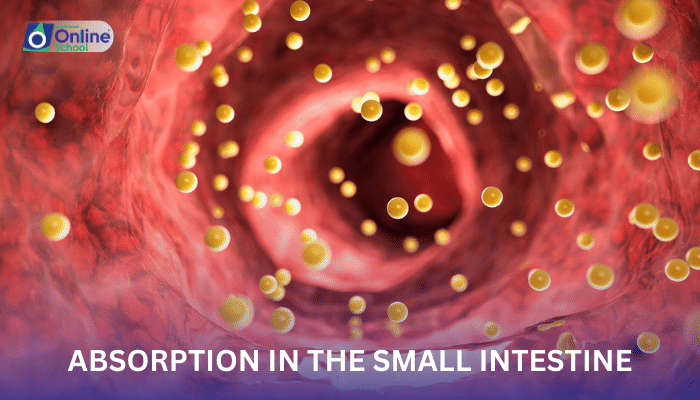
Absorption is the process by which digested nutrients, broken down into smaller molecules during digestion, are transported from the lumen of the small intestine into the bloodstream and lymphatic system. This process is crucial for providing the body with the essential nutrients it needs for energy, growth, and repair.
ii. The Villi: Tiny Gateways to Nutrient Transport
The small intestine lining is covered with millions of finger-like projections called villi, which dramatically increase the surface area for absorption. Each villus is a complex structure that plays a central role in nutrient transport.
Epithelial cells: The villi are lined with specialized epithelial cells that have microvilli, tiny projections that further increase the surface area for absorption.
Blood capillaries: A network of blood capillaries runs through the core of each villus, allowing absorbed nutrients to pass into the bloodstream.
Lacteals: Lacteals, specialized lymphatic vessels, are located at the center of each villus and are responsible for transporting absorbed fats.
iii. Mechanisms of Nutrient Absorption: A Symphony of Transport Processes
Nutrient absorption occurs through various mechanisms, each suited for different types of nutrients:
Passive diffusion: Simple sugars, such as glucose and fructose, move from the lumen of the small intestine into the blood capillaries along a concentration gradient, without the need for energy input.
Facilitated diffusion: Certain nutrients, such as amino acids and some vitamins, use facilitated diffusion, where specialized carrier proteins transport them across the cell membrane down their concentration gradient.
Active transport: Nutrients against a concentration gradient, such as sodium and glucose, are transported by active transport, requiring energy input in the form of ATP.
iv. Blood Capillaries and Lacteals: Nutrient Delivery Highways
Once absorbed, nutrients are transported to different parts of the body via two main pathways:
Blood capillaries: Absorbed carbohydrates, proteins, vitamins, and minerals pass into the blood capillaries and are carried throughout the bloodstream to various tissues and organs.
Lacteals: Absorbed fats, packaged into lipoproteins called chylomicrons, enter the lacteals and are transported to the lymphatic system, eventually reaching the bloodstream via the thoracic duct.
v. Factors Affecting Nutrient Absorption: A Delicate Balance
Several factors influence nutrient absorption:
Surface area: The extensive surface area of the villi increases the contact between digested nutrients and the absorbing cells, enhancing absorption efficiency.
Concentration gradients: The movement of nutrients occurs along concentration gradients, with nutrients moving from areas of high concentration to areas of low concentration.
Carrier proteins: Facilitated diffusion and active transport rely on specific carrier proteins that bind to and transport specific nutrients across cell membranes.
Absorption in the small intestine is a complex and dynamic process that ensures the efficient transfer of digested nutrients into the bloodstream and lymphatic system. The structure of the villi, the mechanisms of nutrient transport, and the role of blood capillaries and lacteals work in harmony to provide the body with the essential nutrients it needs for optimal health and function. Understanding the physiology of nutrient absorption provides valuable insights into human nutrition and the importance of a healthy digestive system.
